Outbreak of Listeria in Sweden
Published: 2025-10-16
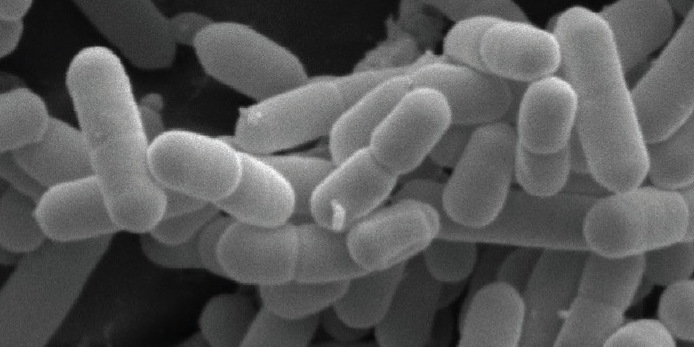
Listeriosis (Listeria infection) is caused by the bacterium Listeria monocytogenes. The bacterium occurs naturally in soil, water, and the intestines of many mammals, including humans. The infection is primarily transmitted through contaminated food. Foods with long shelf lives or stored at refrigerator temperatures are more likely to be the source of infection. This includes, for example, smoked or cured fish, certain cheeses, ready-to-eat meals, and cold cuts. Human-to-human transmission is very rare, although the infection can be passed through the placenta during pregnancy.
Since late September 2025, multiple people have fallen ill after consuming a tasting menu at a restaurant in Stockholm. Local investigations are being led by Smittskydd Stockholm, in collaboration with the Stockholm Environmental Administration, the Swedish Food Agency, and the Public Health Agency of Sweden (Folkhälsomyndigheten).
A total of 15 confirmed cases of Listeria have been identified to date, with the bacterium detected in the patients’ blood. Genetic sequencing of isolates from two cases found that they are identical, strongly indicating a common source of infection. None of the affected individuals have required intensive care. The latest information about this outbreak is available from Folkhälsomyndigheten and on our Listeria page within the emerging pathogens section.
All individuals that visited the resturant from 23–27th September have been contacted and advised to seek medical attention if symptoms appear. Environmental and food samples from the restaurant have been collected and are under analysis. Genomic typing of the bacteria is ongoing to determine the source of the infection.
The Swedish Pathogens Portal continues to monitor and investigate research resources linked to outbreaks and emergent pathogens. Information on them is added to our emerging pathogens section as soon as possible. Where appropriate, the portal will also create other resources in order to accelerate research in the area.